Elk

The product leader’s AI

Autonomous product management.

Elk’s agents run your product loop. They find what to improve and your coding agents build it. You set the goals.

See the loopTalk to usThe agent keeps watch. You keep judgment.

Your product loop runs
at reading speed.

Agents write code in minutes. Deciding what to build still takes weeks of dashboards and tickets and meetings.

Elk runs the loop and brings you the decisions.

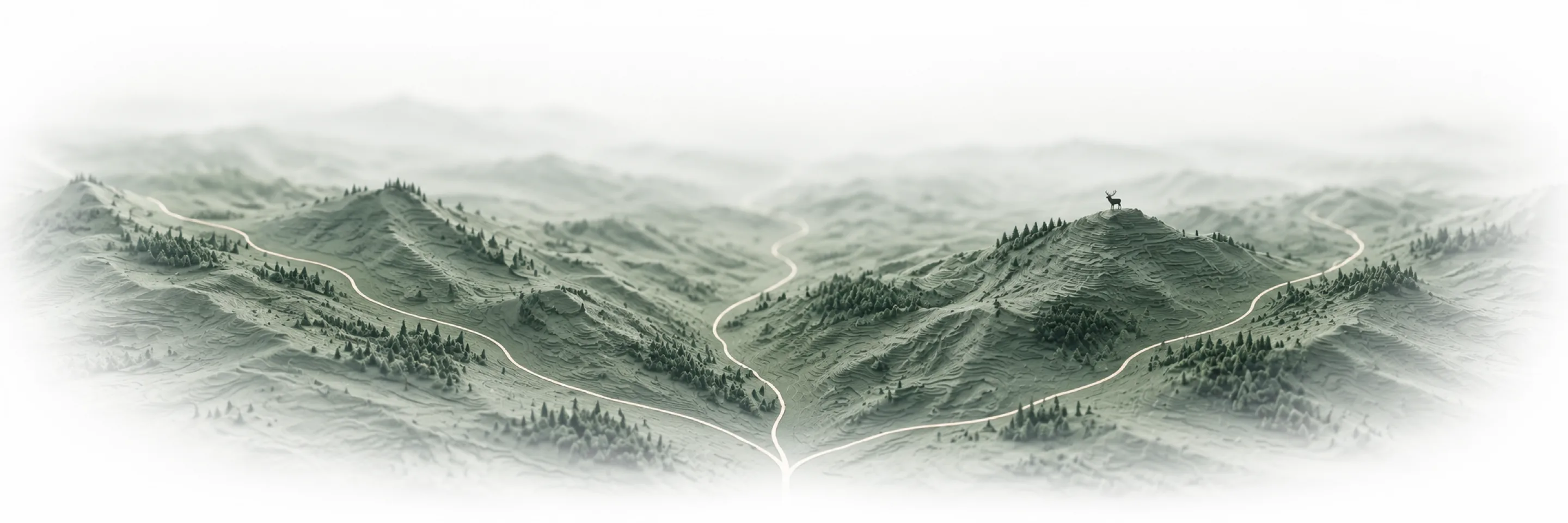
A single trail crossing open terrain toward a ridge

Business goal40% of new teams reach a first shared task.

Customer signalNew teams stall at the invitation step.

MarketTwo competitors now offer guest access.

Illustrative example

Elk proposes one fix from the sources you connect.

The product loop

Agents run the loop. Two calls are yours.

You set the goals. Agents do the work and stop where a decision is yours.

Your goalsYour callYour call

01/06

Every source you have.

Agents
Read product usage, errors, deploys and pull requests as they change, and what your agents report. Your goals too.
You
Connect a source once.
In Elk
TapsTrailCatchStride

Loops

Your agents don’t wait to be asked.
They work in loops.

  1. 1 · Check

    Is there work?

    A quick look at your data on a schedule. Free, and never counted as a run.

  2. 2 · Run

    Only when it’s due

    An agent goes to work. This is where the cost is, within the limit you set.

  3. 3 · Result

    It did the work, or suggested it

    You pick its mode: Report, Suggest, or Automatic.

  4. 4 · Learn

    What you use, it does more of

    Say yes to the same suggestion again and again and Elk offers to make it automatic.

  • See every loop

    One list, in plain words: what it does, when it runs, and what it did this month. No cron jobs, no YAML, no guessing.

  • Know what it’s worth

    What each loop costs, and how much of what it produced your team kept or cited in later work. Elk points out the ones that cost and give nothing.

  • Make your own

    Say what you want in a sentence. Elk drafts the loop, shows what it would have done last month and what it would have cost, then you switch it on.

Humans in the loop

Agents earn
their autonomy.

Each step starts by asking you and gets more freedom as its work holds up in review.

Observe

Agents watch and report.

Suggest

Agents propose. You decide.

Act

Rollouts run on their own once you allow it, and you hear after.

Every decision reaches you with its evidence.

What reaches you

What is going on?

Elk keeps your team and its agents working from the same facts. You get four lines. Your agent gets the detail it needs to act.

Tracks in Elk on Mac, for the Loam workspace. The top card reads “First shared task is at 31%. The goal is 40%.” Under Needs you is one question: “Test a shorter invitation step?”Tracks on iPhone. The top card reads “First shared task is at 31%. The goal is 40%.” Under Needs you: “Test a shorter invitation step?”
Tracks says where things stand and what needs you.
Elk on Mac and iPhone. People and figures are sample data.

Backstory

How did we
get here?

Name a feature. Elk traces the decisions and the work behind it and cites every step.

Start in Ask Elk. The research keeps running after you close the chat.

Backstory for Team invitations on Mac. A six-step timeline runs from Jun 30, the decision to send email links, through links expiring, a short invite code and invitations moving to step two on Aug 18, to 31% against a 40% goal on Sep 2 and the test of a shorter invitation step on Oct 1. Below it are cost evidence, one item of missing context and the next steps.Backstory for Team invitations on iPhone, with the same six steps from Jun 30 to Oct 1 and the people involved in each.

Anything Elk could not verify is marked unknown.Elk on Mac and iPhone. People and figures are sample data.

The promise

Read nothing.

  • Observe automatically.
  • Distill continuously.
  • Preserve human judgment.
  • Guide execution.

Keeping up is not your job. The agent keeps watch. You keep judgment.

Read the manifesto

Connect what
you already use.

Elk reads your tools where they are. If a source is missing an agent builds the connector. Anything your agents can reach is a source too.
Collaboration
  • Slack
  • GitHub
  • Claude Code
  • Codex
  • Grok
  • Jira
Systems
  • Sentry
  • AWS CloudWatch
  • Cloudflare
  • Supabase
  • Datadog
  • Vercel
Customer
  • PostHog
  • Google Analytics
  • Stripe
  • Amplitude
  • Mixpanel
  • Zendesk

See every connector

An elk on a ridge overlooking the whole connected valley

Look up.

Your market, business and product in one view.

Step in where your judgment changes the result.

Team
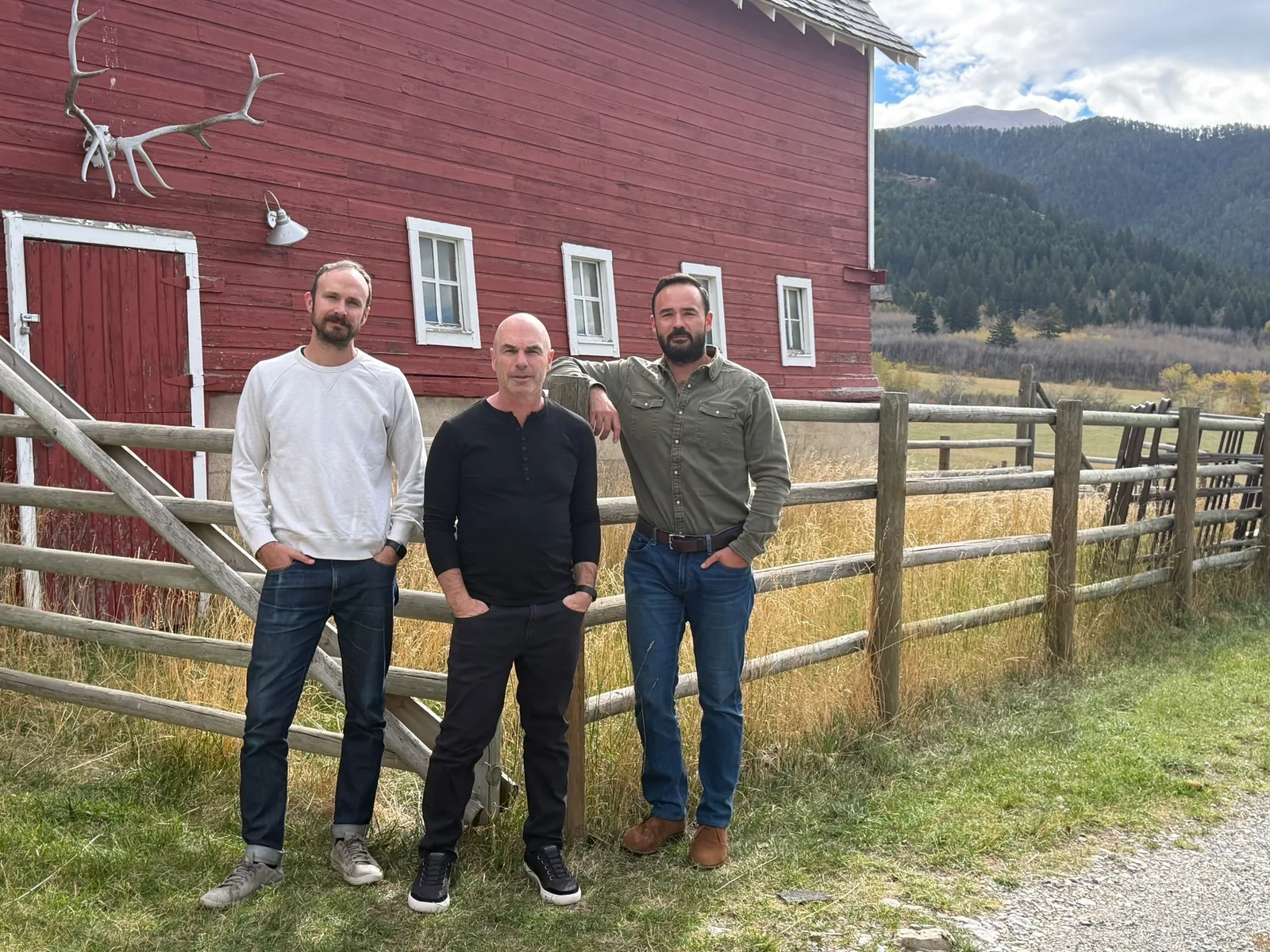
Who is building Elk.

Nathanael Wolfe, Issac Roth and Casey Clark, Elk’s founders, standing by a red barn and a rail fence with forested mountains behind them.
  • Casey Clark

    CEO

    Casey Clark is Elk’s CEO. He was Chief Customer Officer at Scalyr, the data engine SentinelOne bought in 2021 that now runs under its AI SIEM. A SIEM runs one big loop for a company: gather every signal, distill it, and act. Casey made that loop work for enterprise customers. Elk runs it for product work.
  • Issac Roth

    CPO

    Issac Roth is Elk’s CPO and leads product. He co-founded the startups behind Red Hat OpenShift, IBM API Connect and the data-leak detection in F5’s AI Gateway. Most recently he was CEO of Orama, an AI data platform. Each was a platform others built on, and Elk’s architecture grows from that work.
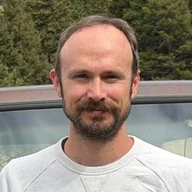
  • Nathanael Wolfe

    CDO

    Nathanael Wolfe is Elk’s CDO and leads design. He led product design at Augmedix, where AI drafts medical notes and trained people check them. He is a named inventor on its note-writing patents. At Elk he designs how human judgment is gathered and distilled into context agents can use.

Talk to us.

You set the goals. Agents do the work and stop where a decision is yours.

Have a question or just want a place on the waitlist?

Elk is invite-only and opens in waves. What happens to what you send: Privacy.